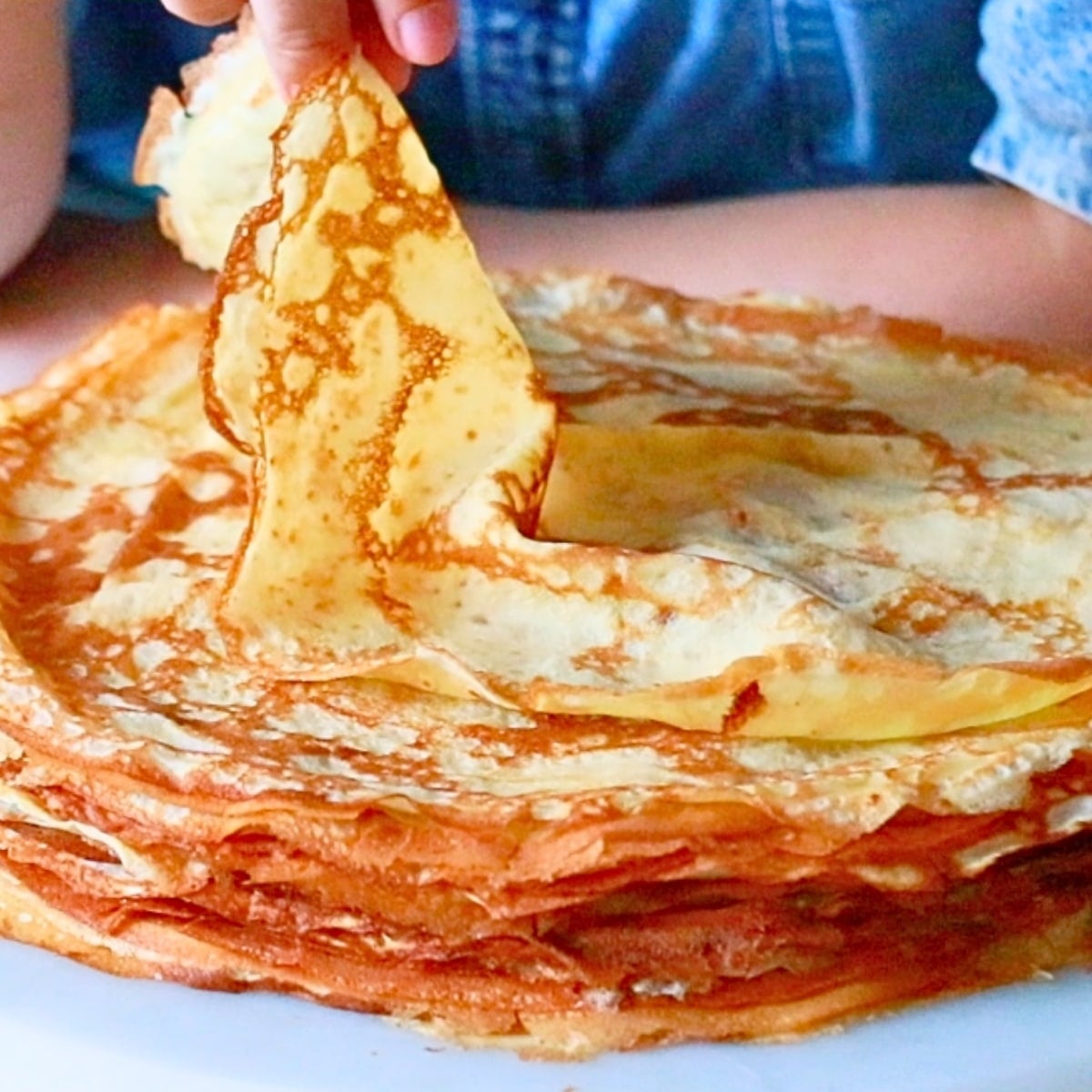
Ultimate Guide to Ultra-Thin Crepes: Crucial Tips for Crisp Edges
There's an undeniable allure to a perfectly crafted crepe: paper-thin, delicately tender, with edges that boast a delightful, buttery crispness. Often seen gracing the menus of upscale cafes, restaurants, and even catering events, these French-style pancakes might seem intimidating to recreate at home. But what if we told you that mastering the art of the ultra-thin, restaurant-quality crepe, complete with those coveted crisp edges, is not only achievable but surprisingly simple? This comprehensive guide will walk you through every crucial step, demystifying the process and revealing the secrets to creating exquisite crepes right in your own kitchen. Prepare to transform humble pantry staples into a canvas for endless sweet or savory culinary adventures.The Magic of Crepes: More Than Just a Pancake
Unlike their fluffier, leavened cousins, crepes are characterized by their remarkable thinness and delicate texture. Made without any rising agents, they are designed to be as light as lace, almost translucent, providing the perfect embrace for a multitude of fillings. From elegant dessert options like Nutella and fresh berries to hearty savory choices such as ham and cheese or spinach and feta, crepes are incredibly versatile. They transcend breakfast and brunch, making delightful appetizers, main courses, or show-stopping desserts any time of day. The joy of crepes lies in their adaptability, inviting you to roll them, fold them, and stuff them with whatever your heart (or taste buds) desires. You’re definitely not limited when you learn how to make crepes this way!Unlocking the Mystery of Perfect Crepes: Why They Seem Tricky (But Aren't!)
The journey to making flawless crepes at home often begins with a perceived complexity. Many home cooks assume special equipment or advanced culinary skills are required. However, the truth is, with the right approach and a few critical tips, restaurant-quality crepes are well within reach using just a regular skillet and common kitchen tools. The difference between a good crepe and a truly *great* crepe lies in understanding the subtle nuances of batter preparation and cooking technique. We'll delve into the foundational elements that make all the difference.The Essential Ingredients: Simplicity at Its Best
One of the most appealing aspects of crepes is their reliance on a handful of everyday pantry items. While recipes vary slightly, the core components typically include: * All-purpose flour: The structural backbone. * Eggs: Provide richness, binding, and contribute to the delicate texture. * Milk: The primary liquid, creating tenderness. * Melted butter: Crucial for flavor, tenderness, and those irresistible crisp edges. * Sugar: For sweet crepes (can be omitted for savory). * Salt: Balances flavors and enhances overall taste. * Vanilla extract: Often added for sweet crepes to boost aroma and flavor. * Water: Sometimes included to achieve the ideal thin batter consistency. The beauty is in their simplicity. With easy crepes: 8 basic ingredients for sweet or savory delights, you're set for success. The *quality* of these basic ingredients, especially fresh eggs and good butter, can elevate your crepes significantly.The Blender Advantage: Smoother Batter, Better Crepes
While a whisk and a bowl can certainly get the job done, a blender is an absolute game-changer for crepe batter. Here's why: 1. Effortless Smoothness: The powerful blades of a blender work wonders in pulverizing any lumps of flour, ensuring a silky-smooth batter without the need for straining. This smoothness is paramount for ultra-thin crepes that won't tear. 2. Perfect Emulsification: A blender expertly combines the wet and dry ingredients, creating a perfectly emulsified batter. This helps distribute the fat evenly, leading to consistent texture and browning. 3. Speed and Convenience: Simply toss all your ingredients in, blend for 30-60 seconds, and your batter is ready. Minimal clean-up, maximum efficiency. When using a blender, remember a crucial step: melt your butter first, then let it cool slightly before adding it to the blender with the other ingredients. Adding hot butter directly to eggs can cause them to scramble, compromising your batter.The Core Techniques for Ultra-Thin & Crisp Edges
Achieving that delicate, lace-like thinness and the highly sought-after buttery crisp edges is all about mastering a few key techniques. These aren't complicated, but they are absolutely essential.1. The Indispensable Chill: Batter Rest Time
This is arguably the most crucial step for crepe success, often overlooked by beginners. After blending, your batter *must* rest in the refrigerator for at least 30-60 minutes, though overnight is even better. Why is this so vital?
- Gluten Relaxation: Blending develops gluten in the flour, which can make crepes tough and prone to tearing. Resting allows the gluten to relax, resulting in tender, pliable crepes.
- Hydration: This time allows the flour to fully hydrate, absorbing all the liquid. This prevents gritty textures and ensures a smoother, more stable batter for thin spreading.
- Improved Flavor & Texture: A chilled batter cooks more evenly and develops a superior taste and delicate texture.
Use this resting period to clean up, gather your fillings, and mentally prepare for your crepe-making marathon!
2. The Right Pan and Its Preparation
Forget expensive specialty crepe pans! A good quality, non-stick skillet (8-10 inches) works perfectly. The key is its preparation:
- Generous Buttering: Before cooking your first crepe, generously butter the entire surface of the pan. This provides flavor, promotes browning for crisp edges, and ensures a non-stick surface. Keep a stick of butter or a small bowl of melted butter with a brush nearby to re-butter lightly between each crepe. Don't be shy – butter is your friend here!
- Consistent Heat: Heat your skillet over medium-low to medium heat. Too low, and crepes will be pale and soggy; too high, and they'll burn before setting. A consistent medium heat allows the edges to slowly crisp and brown while the center cooks through.
3. The Art of Pouring and Swirling
This is where the magic of thinness happens:
- Measure Wisely: Use a small ladle (typically 1/4 cup to 1/3 cup, depending on your pan size) to pour just enough batter into the center of the hot, buttered pan.
- Swift Swirl: Immediately lift and tilt the pan in a circular motion, swirling the batter quickly and evenly to coat the entire bottom surface in a very thin layer. Work quickly – the batter sets fast! Pour any excess batter back into the bowl.
4. Knowing When to Flip
Patience is a virtue, but timing is critical:
- Cook the first side for 60-90 seconds, or until the edges start to look dry, lacy, and golden brown, and the center appears set with small bubbles. This is where those coveted crisp edges begin to form.
- Gently slide a thin spatula underneath the crepe, ensuring it's not sticking. Flip the crepe and cook for only another 20-30 seconds on the second side, just until lightly golden. Crepes cook very quickly!
Step-by-Step: Your Journey to Crêpe Mastery
Ready to put theory into practice? Here's your straightforward guide to how to make crepes like a pro.- Melt and Cool Butter: Start by melting about 2-3 tablespoons of butter (either in the microwave or on the stovetop). Let it cool for a few minutes; it should be liquid but not hot to the touch. This prevents the eggs from scrambling when combined.
- Blend the Batter: In your blender, combine the cooled melted butter with your chosen liquid (milk, or milk and water), eggs, flour, sugar (if using), and salt. Blend on medium-high speed for 30-60 seconds, until completely smooth. Pause and scrape down the sides if necessary to ensure no dry spots of flour remain.
- Chill the Batter: Transfer the batter to an airtight container or cover the blender pitcher with plastic wrap. Refrigerate for at least 30-60 minutes. For best results and maximum flavor development, chill overnight.
- Prepare Your Skillet: Place your non-stick skillet over medium-low to medium heat. Allow it to heat thoroughly for 2-3 minutes. Lightly butter the pan – you should see it shimmer slightly.
- Cook Crepes One at a Time:
- Pour about 1/4 to 1/3 cup of batter (adjust based on pan size) into the center of the hot, buttered pan.
- Immediately lift and tilt the pan, swirling the batter quickly and evenly to create a very thin layer across the bottom. If there's excess, quickly pour it back into the bowl.
- Cook for 60-90 seconds until the edges are golden, crisp, and lacy, and the top surface looks dry.
- Carefully slide a thin spatula underneath the crepe and flip it. Cook for another 20-30 seconds on the second side.
- Transfer the cooked crepe to a plate. You can stack them directly, as their thinness prevents sticking. For warmth, you can cover the stack loosely with foil.
- Lightly re-butter the pan between each crepe, especially if the subsequent crepes start to stick or lose their crisp edges.
- Serve Immediately or Keep Warm: Crepes are best served fresh, but can be kept warm under foil or reheated gently.
Unleash Your Creativity: Sweet and Savory Filling Inspirations
The true joy of crepes lies in their incredible versatility. Once you've mastered the basic technique, the filling possibilities are endless.Sweet Delights:
- Classic Nutella & Banana: A timeless combination. Spread with Nutella, add sliced bananas, and fold or roll.
- Berries & Cream: Fresh strawberries, blueberries, or raspberries with a dollop of whipped cream or crème fraîche.
- Lemon & Sugar: A sprinkle of granulated sugar and a squeeze of fresh lemon juice for a bright, tangy treat.
- Fruit Compotes: Warm apple, cherry, or peach compote, perhaps with a scoop of vanilla ice cream.
- Chocolate Drizzle: Powdered sugar and a decadent chocolate sauce.
Savory Sensations:
- Ham & Gruyère: A classic French pairing. Fill with thinly sliced ham and grated Gruyère cheese; warm until cheese is melted.
- Spinach & Feta: Sautéed spinach, crumbled feta, and a pinch of nutmeg.
- Chicken & Mushroom: Diced cooked chicken and sautéed mushrooms in a light cream sauce.
- Breakfast Crepes: Scrambled eggs, bacon bits, and cheddar cheese.
- Smoked Salmon & Cream Cheese: A luxurious choice, especially for brunch.
